Skip to content
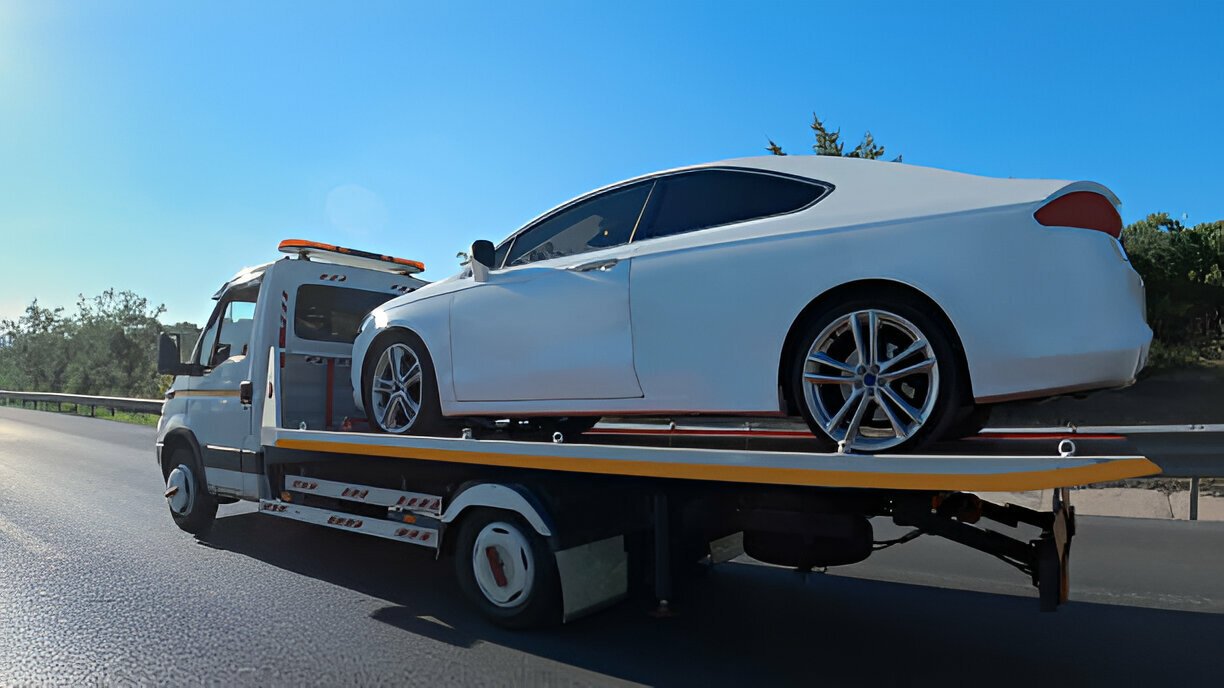
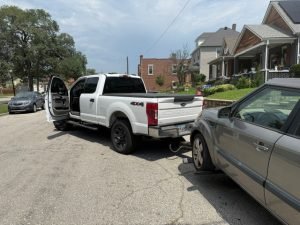
Towing services are often thought of only in emergencies, when a car breaks down on the highway or after an accident. In reality, towing is part of a much broader network of roadside assistance, logistics, and recovery solutions that keep drivers safe and vehicles on the move.
Every driver, whether they commute daily or travel occasionally, benefits from understanding how towing works, what services exist, and how to find reliable professionals when it matters most. From flatbed towing and winch-outs to roadside battery jumps, towing companies today handle far more than vehicle transport; they deliver peace of mind.
According to the U.S. Department of Transportation, more than 60,000 roadside breakdowns occur daily nationwide, many of which require professional towing intervention. Knowing what to expect and who to call makes all the difference in stressful situations.
Modern Towing Services
Towing services have evolved beyond simply hauling a disabled car from one location to another. Today’s towing professionals operate specialized equipment designed to handle everything from motorcycles to heavy-duty trucks safely and efficiently.
Common Types of Towing Services Include:
- Flatbed Towing
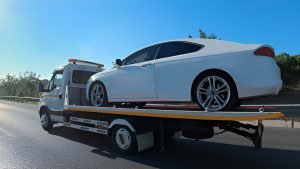
Safest for long distances or damaged vehicles, keeping all wheels off the ground.
- Wheel-Lift Towing
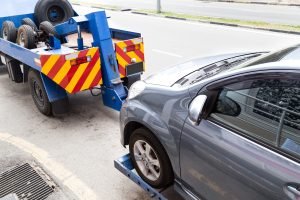
Ideal for short-distance moves where only two wheels are lifted.
- Integrated Tow Trucks
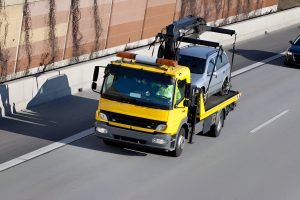
Used for heavy-duty recovery, combining boom and wheel-lift systems.
- Motorcycle Towing
Specialized cradles prevent scratches and balance issues during transport.
- Accident Recovery and Winching
Assists with vehicles stuck in ditches, mud, or snow.
Professional towing services also include light, medium, and heavy-duty towing, each suited to different vehicle sizes and situations.
Essential Roadside Assistance Options
Not every vehicle problem calls for a tow. Sometimes, drivers only need minor help to get back on the road safely. That’s where roadside assistance comes in, providing immediate support for non-collision issues.
Common Roadside Services
- Battery Jump-Start: Technicians revive dead batteries quickly without risking electrical damage.
- Tire Change: If you don’t have the right tools or a spare, professionals handle replacements efficiently.
- Lockout Assistance: Regain access without damaging the vehicle’s locking mechanism.
- Fuel Delivery: Emergency fuel service for those who run out unexpectedly.
- On-Site Diagnostics: Some modern tow trucks are equipped with scanners to identify issues before towing.
Reliable towing companies often bundle these services with membership programs or as part of insurance coverage.
Key Factors That Influence Towing Costs
Towing prices can vary widely based on distance, vehicle type, and service complexity. Knowing what affects the final bill helps you prepare and avoid overpaying in emergencies.
Typical Pricing Factors Include:
- Distance: Short local tows (under 10 miles) may cost $75–$125, while long-distance hauls can exceed $250.
- Vehicle Size: Heavier vehicles, such as trucks or vans, require specialized rigs and added labor.
- Time and Location: Late-night or off-road recoveries usually carry premium rates.
- Condition of Vehicle: Cars stuck in snow, mud, or ditches take longer to recover.
- Towing Type: Flatbed towing is generally more expensive than standard hook-and-chain options.
According to AAA, the national average for towing a vehicle five miles is around $100, with rates increasing by $3–$5 per mile thereafter.
Choosing the Right Tow Company
When your car breaks down, you need a towing service you can trust, not one that takes advantage of a bad situation. Reliable companies are defined by transparency, responsiveness, and professionalism.
Here’s What to Look For:
- Licensing and Insurance: Always ensure the provider meets state regulatory standards.
- Service Range: Some companies cover long distances, while others specialize in local towing.
- Equipment Quality: Modern, well-maintained trucks reflect operational safety.
- Response Time: Average urban dispatch time should be under 30 minutes.
- Customer Reviews: Online feedback gives insight into real-world reliability.
Reputable towing companies clearly outline pricing before dispatch and provide detailed receipts afterward, no hidden fees, no surprise charges.
For more information on towing licensing and regulation standards, visit the U.S. Department of Transportation’s Towing and Recovery Safety Guidance section.
Different Types of Tow Trucks and When They’re Used
Understanding which tow truck suits your situation ensures your vehicle is handled properly.
- Flatbed Tow Truck: Safest for all-wheel-drive or luxury vehicles.
- Hook and Chain Tow Truck: Commonly used for junk vehicles or salvage transport.
- Wheel-Lift Tow Truck: Efficient for compact cars in tight urban spaces.
- Integrated Tow Truck: Designed for commercial trucks and buses.
- Boom Truck: Handles vehicles trapped in challenging terrains.
Each truck type serves a unique purpose, and professional operators are trained to select the right one for your vehicle type and condition.

Understanding Different Types of Towing Services
Towing isn’t limited to broken-down cars. Many professional towing providers offer specialized services for complex transport needs.
Examples Include
- Motorcycle Towing: Using straps and cradles for safe hauling.
- RV and Trailer Transport: Designed for oversized or heavy recreational vehicles.
- Heavy-Duty Recovery: For semis, construction equipment, or buses.
- Winch-Out Services: Retrieving stuck vehicles from snow, sand, or off-road areas.
- Long-Distance Vehicle Shipping: Coordinating interstate transport through carrier networks.
Some towing providers even partner with insurance companies or auto clubs to provide faster coverage response times. Towing services are categorized based on the weight and type of vehicle being transported. Each type requires specific tow trucks, equipment, and operator skill sets to ensure safety and efficiency.
Light-Duty Towing
Light-duty towing is the most common type, covering standard vehicles such as sedans, motorcycles, and small SUVs. These services handle breakdowns, flat tires, and lockouts within local or short-distance ranges.
Key Features:
- Suitable for vehicles under 10,000 lbs
- Fast response and short-distance transport
- Often used for roadside assistance calls
Common Use Cases:
- Flat tire replacement
- Local towing after engine failure
- Jump-starts and lockout recovery
Light-duty tow trucks typically include flatbeds and wheel-lift systems, ensuring damage-free loading.
Medium-Duty Towing
Medium-duty towing services cover larger commercial vehicles, delivery vans, box trucks, and RVs. These vehicles require more power and stability than light-duty rigs can provide.
Typical Vehicles:
- Step vans
- Small buses
- Campervans and RVs
- Service utility trucks
Equipment Used:
- Integrated tow trucks with extended arms
- Heavy-duty wheel lifts
- Reinforced flatbeds
Medium-duty towing demands precise balance and control, especially when transporting vehicles carrying tools or commercial goods.
Heavy-Duty Towing
When it comes to semis, trailers, and heavy machinery, heavy-duty towing steps in. These powerful tow trucks can manage loads exceeding 25 tons and are engineered for complex recoveries and long-distance hauls.
Examples of Heavy-Duty Tows:
- Tractor-trailers and dump trucks
- Buses and large RVs
- Construction and farm equipment
- Accident recovery of multi-axle vehicles
Core Benefits:
- Hydraulic lift systems capable of handling major weight
- Rotating booms for recovery from challenging terrain
- Skilled operators with CDL certifications
Heavy-duty towing services often work alongside law enforcement and highway departments during major road incidents.
For more insight into towing capacity and classifications, the Federal Highway Administration (FHWA) provides excellent technical guidelines.
Specialty and Long-Distance Towing
Beyond the standard categories, towing companies also manage specialized and interstate transport for delicate or valuable assets.
Types Include
- Exotic Car Transport: Enclosed trailers protect high-end or luxury vehicles from damage and weather.
- Motorcycle Towing: Wheel cradles, soft straps, and flatbeds ensure upright balance.
- Boat and Trailer Towing: Secure, weight-calibrated hauling for marine vehicles.
- Long-Distance Vehicle Shipping: Ideal for relocations or dealer transfers.
- Accident and Recovery Towing: Includes winch-outs, rollovers, and debris clearing.
These niche services require operators trained in load balance, tie-down safety, and interstate transport regulations to ensure smooth delivery.
The Role of Safety and Compliance in Towing
Towing involves strict safety and compliance standards to protect both drivers and operators. The Occupational Safety and Health Administration (OSHA) requires tow truck operators to follow specific guidelines for load securing, roadside safety, and equipment maintenance.
Safety practices include:
- Wearing high-visibility clothing
- Using wheel chocks and winch guards
- Ensuring proper lighting during night recoveries
- Regular maintenance checks on straps, chains, and hydraulics
Proper adherence reduces accidents and ensures the safe transport of your vehicle without additional damage.
The Growing Importance of Eco-Friendly Towing
With environmental awareness increasing, towing services are also adapting sustainable practices. Electric-powered flatbed trucks, eco-friendly hydraulic systems, and proper waste management of damaged car parts are becoming standard in responsible towing companies.
Additionally, recycling programs are helping reduce landfill waste from old or totaled vehicles. According to EPA data, about 95% of a scrapped vehicle can now be recycled, including fluids, batteries, and metals.
Cost Considerations and Value of Professional Towing
Many drivers hesitate to call for a tow due to cost concerns, but professional towing often provides greater value and safety than attempting DIY solutions.
What Affects the Cost of Towing
- Distance and Mileage
Short local tows cost less, while long-distance hauls may be charged per mile.
- Vehicle Type and Weight
Heavier or damaged vehicles increase equipment demand.
- Service Type
Flatbed, winch-out, or accident recovery may carry different rates.
- Location and Accessibility
Remote or off-road recovery costs more due to extra labor.
- Time of Service
Late-night or weekend tows may include emergency surcharges.
According to the American Automobile Association (AAA), towing fees in the U.S. typically range from $75 to $125 for short distances, and $2–$5 per additional mile.
Why Professional Towing Is Worth It
DIY towing attempts can cause severe vehicle damage or pose safety hazards, especially without proper load balancing or hitching equipment.
Benefits of Hiring Professionals:
- Reduces liability and risk of accidents
- Prevents further vehicle damage
- Ensures compliance with local road safety laws
- Provides faster response during emergencies
In many cases, towing companies also help with insurance paperwork and accident scene coordination, saving time and stress for drivers.
The Role of Technology in Modern Towing
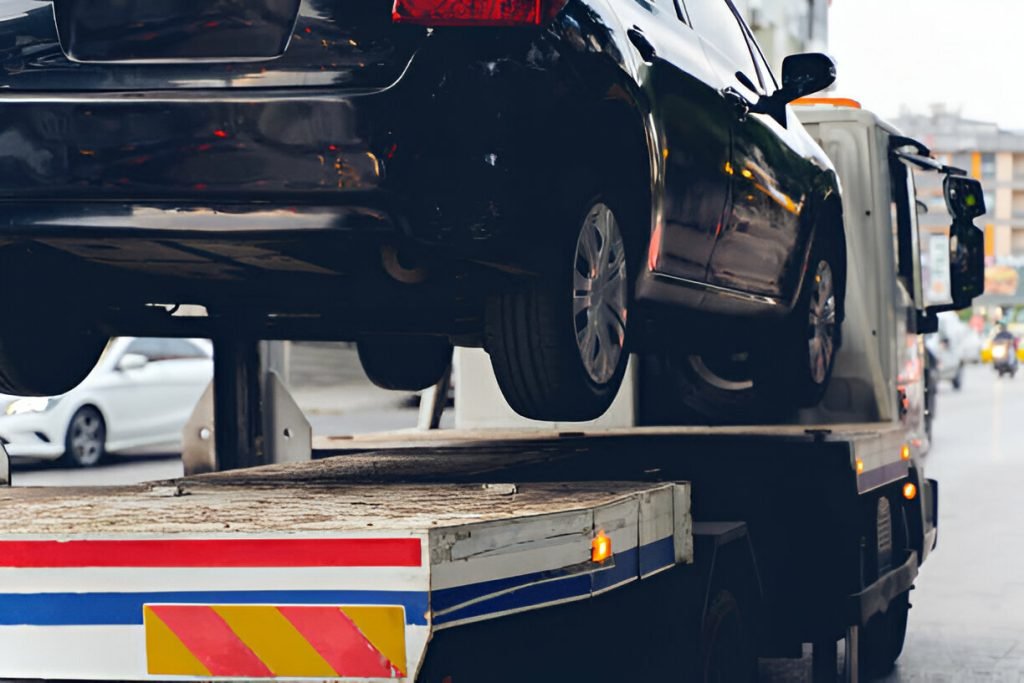
The towing industry is embracing innovation, improving both response time and service quality.
Real-Time GPS Dispatching
Towing companies now use GPS-enabled fleet management to dispatch the nearest available truck. This reduces wait times and improves route efficiency, especially in high-traffic zones.
Mobile Apps and Digital Booking
Drivers can now request assistance via mobile apps, track their assigned tow truck, and even receive digital invoices instantly. This transparency builds trust and simplifies service coordination.
Smart Diagnostics and Onboard Systems
Advanced tow trucks are equipped with diagnostic scanners, enabling technicians to assess the vehicle before towing, saving unnecessary costs when a simple repair is possible.
Eco-Friendly Fleet Transition
Many operators are introducing electric flatbeds or low-emission diesel trucks to reduce environmental impact. According to the EPA, green fleet programs can cut emissions by up to 30%.
Safety and Legal Compliance
Professional towing isn’t just about skill; it’s about following strict regulatory standards.
Key Safety Practices
- Proper load securing and strap inspection
- Use of reflective clothing and cones for visibility
- Regular vehicle maintenance and inspection logs
- Compliance with OSHA and DOT standards
Legal Requirements for Tow Operators
- Valid towing license and liability insurance
- Registration with local transportation departments
- Adherence to weight and towing capacity laws
For detailed guidance, review the U.S. Department of Transportation Towing and Recovery Safety Regulations.
Common Myths About Towing Services
Even with towing services being such a vital part of road safety, misconceptions still circulate about what they do, how much they cost, and whether they damage vehicles. Let’s set the record straight on some of the most common myths.
Myth 1: Tow trucks only show up after accidents
Many people picture tow trucks only arriving at crash scenes, but that’s far from reality.
In fact, the majority of towing calls have nothing to do with collisions. Tow operators spend most of their time helping stranded drivers with everyday roadside issues, such as flat tires, dead batteries, lockouts, and local relocations. Whether your car won’t start in a grocery store parking lot or you’ve run out of gas on a quiet road, professional towing crews are trained to provide safe, quick assistance wherever you are.
Myth 2: Towing always damages vehicles
This misconception likely comes from the days when outdated hook-and-chain systems were common. Today’s towing technology is far more advanced and designed to protect vehicles of all types.
Modern flatbed and wheel-lift tow trucks lift the vehicle completely off the ground or secure it by the tires, avoiding any contact with the drivetrain, bumper, or frame. Operators also use soft straps and adjustable brackets to prevent scratching and stabilize the load. When handled by a licensed, experienced professional, your vehicle is in safe hands from pickup to drop-off.
Myth 3: Professional towing is always expensive
Many drivers assume towing will cost a fortune, but pricing depends on distance, service type, and time of day.
Short-distance or light-duty tows are often surprisingly affordable, especially when compared to the potential damage of attempting to tow a vehicle yourself.
Additionally, many towing companies partner with insurance providers or roadside assistance programs that can reduce or completely cover the cost of service. Membership-based discounts, seasonal promotions, or package plans also make towing far more cost-effective than most people expect.
Myth 4: Any truck can tow any vehicle
While it might seem that any truck with a hitch can handle towing, that’s a dangerous misconception. Every tow truck is built with a specific towing capacity, and exceeding that limit can lead to mechanical failure, loss of control, or legal penalties.
For instance, light-duty tow trucks are ideal for passenger vehicles, while heavy-duty wreckers are required for buses, trailers, and large construction equipment.
Professional operators assess the weight, size, and condition of your vehicle before dispatching the right equipment, ensuring safety for both the driver and the vehicle being transported.
Bottom Line
Towing isn’t just about moving vehicles; it’s about precision, safety, and expertise. Modern towing professionals combine technical training with advanced equipment to handle a variety of roadside challenges efficiently and without damage. Understanding how towing really works helps drivers make informed decisions and trust the professionals who keep our roads safe and clear.
The Future of Towing Services
As vehicles evolve, towing services are adapting with new technology and sustainability trends:
- Electric Vehicle Towing: Specialized low-clearance flatbeds and EV charging support for stranded electric cars.
- Automated Dispatch Systems: AI tools analyze routes and send trucks faster than traditional operators.
- Onboard Safety Cameras: Recording systems protect both customers and tow operators.
- Predictive Maintenance: Digital tools help companies prevent breakdowns in their own fleets.
According to Tow Times Magazine, the industry is expected to grow by over 4% annually as more motorists rely on on-demand roadside support.
Frequently Asked Questions
1. What should I do before calling a tow truck?
Move your vehicle to safety if possible, turn on hazard lights, and note your location and vehicle details for the dispatcher.
2. How long does a tow truck usually take to arrive?
Most providers aim for 20–40 minutes, depending on location and demand.
3. Can towing companies handle electric or hybrid vehicles?
Yes, many now use equipment designed for EVs to prevent drivetrain or battery damage.
4. Will insurance cover towing costs?
Most comprehensive or roadside plans include coverage, but always confirm your policy limits.
5. What happens if my car gets damaged during towing?
Licensed towing companies carry liability insurance that covers repair costs for any accidental damage.
Final Thoughts
Towing services have evolved from simple roadside assistance to highly specialized, technology-driven support systems that keep drivers safe and vehicles protected. Whether you’re stranded with a dead battery, need heavy-duty recovery, or are relocating your vehicle across states, professional towing ensures a safe, efficient, and compliant experience.
Instead of viewing towing as a last resort, consider it part of your vehicle safety strategy, a reliable backup that saves you from stress and costly mistakes. When your vehicle faces an unexpected breakdown, don’t take chances with unreliable help. Choose an experienced, licensed towing company that values safety, transparency, and rapid response.
For trusted, affordable, and professional service, from light-duty to heavy recovery, reach out through the official contact page and ensure your next tow is handled by experts who care about your peace of mind.